
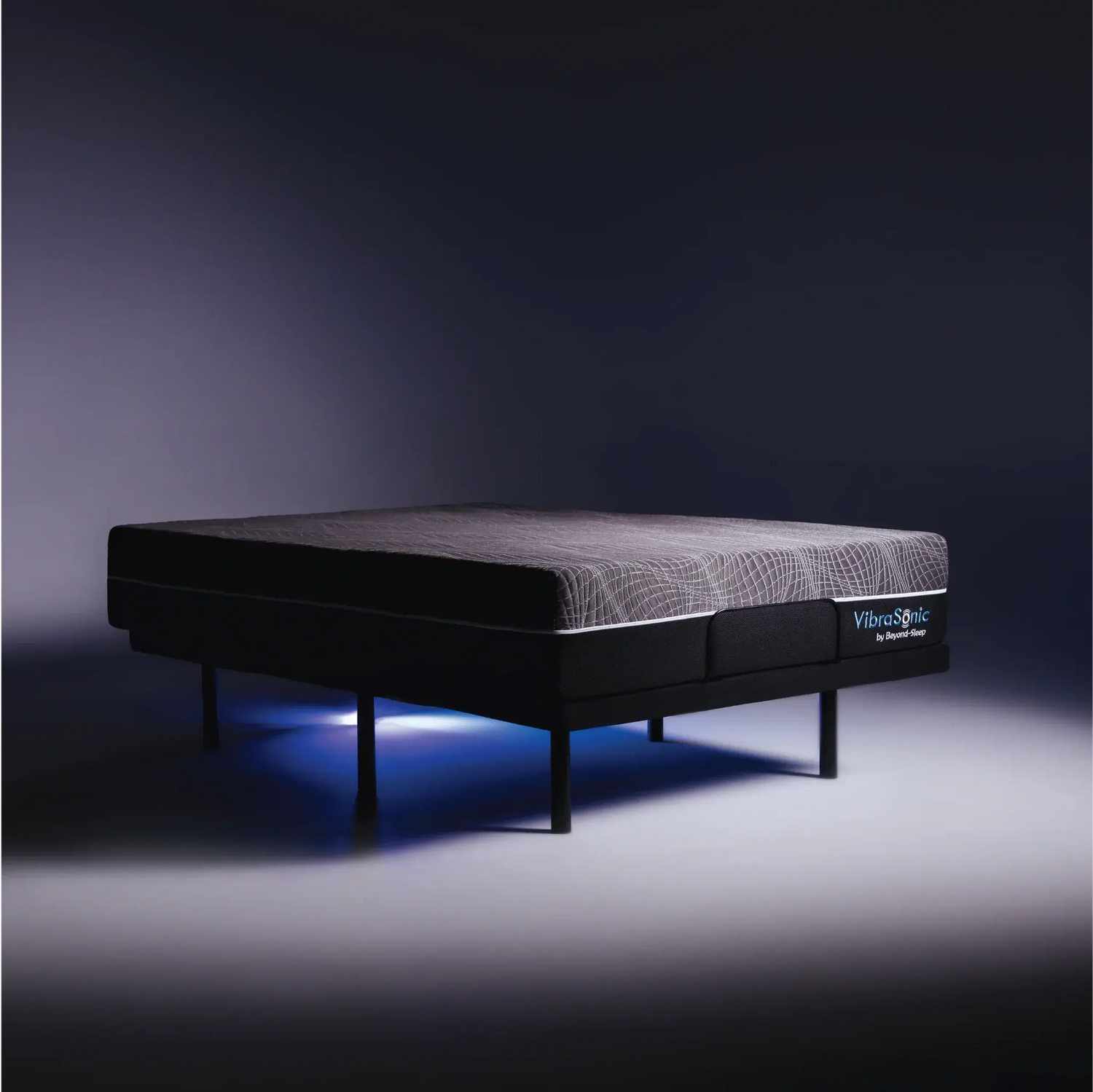
For those with heightened sensory awareness, the bedroom is more than just a place to sleep. It's a retreat from overstimulation. Light that's too bright, noises that others might ignore, and fabrics that feel just slightly off can all prevent rest. The good news is that with the right adjustments, your bedroom can become a space of real relief and restoration with a smart bed.
If you're sensitive to light, sound, or touch, designing a sensory-friendly gaming bedroom isn't about aesthetics alone, it's about regulating your nervous system. Here's how to thoughtfully build a bedroom that feels calm, quiet, and comfortable on every level.
Light: Reduce Harshness, Enhance Control
Light sensitivity can be one of the most overlooked yet disruptive triggers in a bedroom. Bright overhead fixtures, LED alarm clocks, or even ambient street light through a window can prevent melatonin production and make it difficult to wind down.
Instead, opt for warm, indirect lighting. Amber-toned bulbs or smart lights on dimmers let you gradually reduce brightness as evening approaches. Blackout curtains or light-filtering shades are also essential for blocking outside light while maintaining a soft interior glow. Avoid cool-toned or flickering light sources, and consider motion-activated night lighting for midnight bathroom trips so your eyes aren't hit with an overwhelming blast of brightness.
Sound: Soften the Space and Add Consistency
When sound feels like too much, whether it's distant traffic, humming appliances, or sudden household noise, it's hard to let your guard down. The solution isn't always total silence, but rather predictable sound.
One of the most effective ways to achieve this is through layering gentle background noise:
-
White or pink noise that mask sudden disruptions
-
Soft fans that provide consistent airflow and calming hum
-
Low-volume nature sounds like rainfall or gentle waves
For those seeking an integrated solution, a bluetooth speaker bed can provide consistent, high-quality audio without the need for separate devices cluttering your gaming bedroom space. This allows for seamless control of your sound environment directly from your phone, creating the perfect acoustic backdrop for relaxation.
If external sound is a major issue, add soft furnishings. This means plush rugs, fabric curtains, padded headboards which naturally absorb sound and reduce echo. Door draft stoppers and acoustic panels can also help mute noise at the source.
Touch: Surround Yourself With Comfort
Touch sensitivity can quickly derail your sense of calm if not addressed properly. Certain textures may feel itchy, stiff, or jarring, making even the most visually relaxing bedroom feel uncomfortable.
This is where materials matter most. Choose bedding made from natural, breathable fibers like organic cotton, bamboo, or modal. Avoid rough weaves, tags, or synthetic blends that trap heat or cause friction. If weighted blankets feel grounding rather than restricting, they can offer gentle, calming pressure. Otherwise, stick to lightweight layers that can be adjusted easily.
For those who find comfort in gentle movement and pressure, consider a vibrating bed or vibrating mattress designed specifically for sensory regulation. The benefits of a vibrating bed for sensitive individuals can be profound—the gentle, rhythmic motion can help calm an overstimulated nervous system, reduce muscle tension, and provide the proprioceptive input needed for better rest. A well-designed vibration bed offers customizable intensity levels, allowing you to find the perfect balance of soothing sensation without overwhelming your senses.
The best adjustable bed options for sensory-sensitive individuals combine these vibration features with full position control. An adjustable bed allows you to find the perfect angle for comfort, whether you're dealing with pressure points, circulation issues, or simply need to elevate certain areas of your body for optimal relaxation.
Upholstered furniture, padded rugs, and soft pajamas round out the tactile experience, offering comfort in every corner of the room. The key is creating an environment where every surface feels intentionally chosen for maximum comfort and minimal sensory disruption.
Visual Simplicity for Emotional Calm
Beyond physical sensation, visual clutter can provoke a mental reaction, especially for those who are easily overstimulated. If your eyes are constantly scanning the room, your brain stays on alert.
Keep decor minimal, soothing, and intentional. Use closed storage to reduce visible mess, and stick to a limited color palette to avoid harsh contrasts. Soft earth tones, muted pastels, and natural wood elements can all work to keep your nervous system settled. Try incorporating just one or two meaningful, calming items like a framed photo or a plant rather than filling every space with objects.
For those who enjoy entertainment before sleep, consider opting for the smart bed tv combo, pairing your smart bed with your entertainment system for an immersive experience
Final Thoughts
For people who are sensitive to light, sound, or touch, a calming smart bedroom is a big way to get better sleep and better quality of life. It provides a sense of safety in a world that can often feel too loud, too fast, and too stimulating. And with the right design choices, like completing your bedroom with Beyond Sleep's VibraSonic Mattress, you don't need to compromise between comfort and control.
The most important thing is personalization. A calming space doesn't look the same for everyone but when it feels right to you, your body knows it. You sleep deeper, breathe easier, and start to recover in ways you didn't realize you needed. And that's what a smart bed should do.
